How one NWSL team built a regional culture from the ground up


♥️ The Courage to change
Since the COVID-19 pandemic transformed how people work and live, a massive number of people have moved to the Triangle. Between February 2021 and February 2022, nearly 65K people moved to North Carolina, most of them families drawn by the mild climate, robust university system, and lower property taxes.
- Vuono was one of them: “Our whole neighborhood is transplants — we want to provide a better life for our families, and this was the place we chose,” he said of his move. Everyone’s got Carolina on their mind.
“For [the Courage], the opportunity with the transplants is an opportunity, but it's also a barrier,” he said. The region offers big-time sports experiences — think basketball’s UNC–Duke rivalry, the NHL’s Carolina Hurricanes, and minor league baseball’s Durham Bulls. But the influx of transplants means fandom doesn’t run quite as deep, especially for the NWSL, which is still an emerging league to many.
- For example, newcomers don’t necessarily know the Courage is based in Cary, including Vuono: When he moved to the area as an NWSL consultant, he thought the Courage were Charlotte-based.
“We have to figure out how to solve that. How can we make sure the newcomers know we're here, and then deliver that message: ‘Hey, we're a place where you're going to feel welcome, that you belong, and there's going to be thousands of people just like you who chose [the region] as their home that you can spend a Saturday night with watching the best soccer.’”
So how did he address the regional culture problem? When he joined the club’s front office, Vuono asked a simple question: Who are our fans? Everyone had a different answer, so they dug deeper.
- The Courage became the first NWSL team to leave Ticketmaster for ticketing partner Jump, which facilitates fan data tracking. The team discovered that only 6% of fans returned for another game in the first year of the partnership, and 9% returned in its second. Something had to give.
☝️ Fan-forward and family-friendly


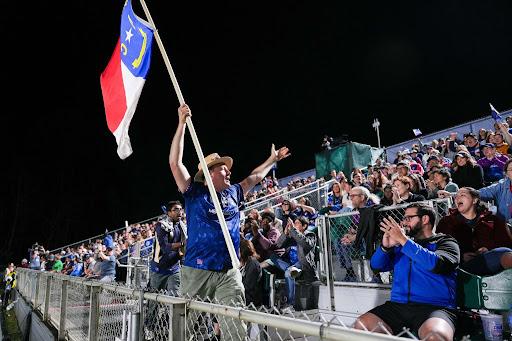
The club set out to create a culture, first by investing in families, a common thread among many transplants. “From a retargeting perspective, [we] really invested…in creating a fun game environment with chants and traditions, because none of that was happening,” Vuono said. “And because we knew [it] was a lot of families, we crafted a lot of what we're doing to appease them.”
- According to Vuono, the gameday atmosphere two years ago “was much different. It was kind of, ‘Okay, you're here to watch a soccer game and leave.’ Now, it is an event.”
Jump’s data was pivotal, allowing the Courage to build fan “personas” like:
- 🌱 Healthy Harper: A 45-year-old wellness mama who believes in the women’s sports movement.
- 🚀 Innovative Ian: A tech-loving dad with the same values as Healthy Harper and who embraces innovation.
- 📱 Connected Cam: A mid-thirties professional woman in finance or science who supports women's sports and wants to socialize.
Still, kids are the demographic to win over, so the Courage embraced the region’s youth soccer network and engineered gameday traditions for little ones, including:
- 🦋 Pregame activities like face-painting and mechanical bull-riding
- 🌮 Adding new food trucks to serve fans
- 🥁 A hype-building drumline playing throughout the game
- 📣 In-game chants, including a “stampede” for players and a “Bless Her Heart” chant to embrace the Southern staple.
💸 Sign right here

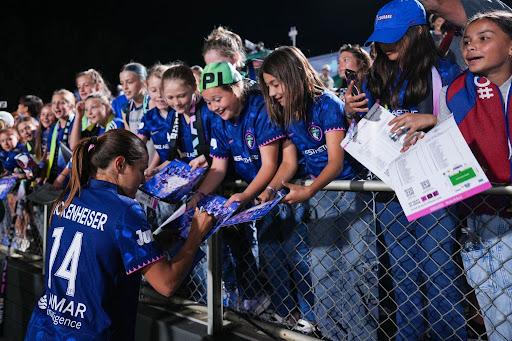
The strategy paid off: Last year’s fan return rate was 34%. And growth on the consumer side has led to wins on the brand partnership side, too. Since Vuono joined, he told us sponsorship revenue soared nearly 200%, yet “it’s not enough — we’re not where we need to be.”
The club knows how to attract fans, but what’s its strategy for attracting corporate partners? For Vuono, it’s all about fresh perspective and innovation. Sponsors who play the long game will win when investment pays off amid the sport’s rapid growth.
- “You're not investing in the Courage or another NWSL team because of impressions and eyeballs,” explained Vuono. He thinks brands are “missing the forest through the trees” when determining value by projected impressions “because this isn't an impression play.”
- “It's an incredible return on their investment. It's the best deal in sports by far. And it's a shame a lot of sponsors out there are missing that because they're worried about impressions and CPMs.”
The club is especially interested in locally based tech and healthcare conglomerates, like WakeMed. But they’re also fielding interest from other prominent sectors — Avenue Sports Fund, which backs MLB, the PGA Tour, and NASCAR just announced a minority investment in the club Thursday.
- “We are a vehicle for innovation — for science, tech and healthcare companies — because we don't have it yet” in the NWSL. “The window for opportunity is short. We don't have all the red tape and restrictions of the big leagues yet.”
Companies are getting the memo, like Delta Dental, which signed a youth-focused partnership in early March. But there’s so many potential fans to win over — both for the Courage and sponsors. Line up and sign up.
Enjoying this article? Want more?

Sign up for The GIST and receive the latest women's sports business news straight to your inbox three times a week