Kim DeCarolis and Terése Whitehead explain the power of women athletes in NIL marketing


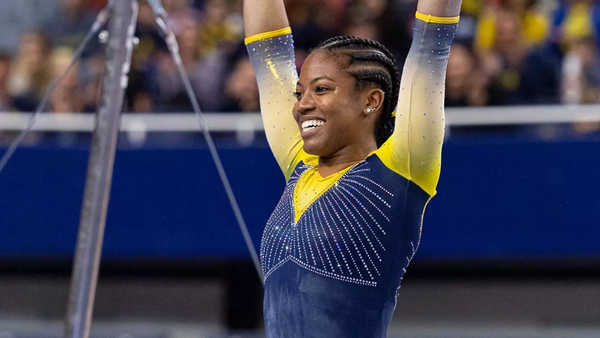
The GIST: With March Madness finally here, we spoke with Terése Whitehead and Kim DeCarolis, who lead NIL and commercial strategy at Michigan and Georgia, respectively. Both are embedded on campus through their work with Altius Sports Partners, which launched in 2020 and has quickly become a leading strategic NIL advisor for college athletic departments.
- Before NIL, Whitehead drove billions in athlete licensing revenue through the NFL Players Association, while DeCarolis carved out her path in college sports and brand partnerships. Both spoke to how changes in the NIL landscape prime women athletes to uniquely profit. Built for this.
The landscape: Amid new NIL rules, DeCarolis said “the biggest shift is simply the volume.” She noted how pro sports focus on optimizing revenue, structuring brand partnerships, and building athletes’ value — something NIL deals are now doing at the collegiate level. This professionalization doesn’t just benefit athletes: There’s a whole economy around facilitating NIL deals.
The role of women athletes: This new infrastructure is able to capitalize on the existing demand around women athletes, says Whitehead. “It’s no longer about proving interest. It’s about building the right platforms to support it,” she said. Brands are recognizing the value of women athletes, especially in what she called the “trifecta of fan loyalty to the sport, to the school, and to the athlete.”
- Whitehead noted how women student-athletes drive higher engagement than men, but their impact goes beyond numbers: Their authenticity and relatability is “what brands are looking for.” She identified “strong momentum” in basketball, volleyball, and gymnastics, where there’s a strong pipeline from college to pro leagues or the Olympics.
- And the rise of on-campus content studios allows athletes to “show up professionally and consistently, which matters in a social driven environment.” Since women athletes are “natural storytellers,” content studios give them the tools to elevate that — something we’ll explore at length soon in Overtime’s new content studio at UConn.
The brand response: DeCarolis said those who think NIL primarily caters to men’s football and basketball are missing the big picture. “For brands, women’s sports offer something powerful. Not just visibility, but a deeply engaged audience.”
- This direct feedback from brands is supported by leading projections, with Opendorse projecting last year that total NIL spend in women’s sports would reach $663.3M by 2027-28, up from $305.9M in 2021-22. Sailin’ across the sun.
Enjoying this article? Want more?

Sign up for The GIST and receive the latest women's sports business news straight to your inbox three times a week