Germany’s Frauen Bundesliga makes bold move to separate from DFB as league goes independent


The GIST: Last week, the Frauen Bundesliga — Germany’s 14-club professional women’s soccer league — made the surprising decision to split from the Deutscher Fußball-Bund (DFB), the nation’s governing body for the sport.
- While Frauen Bundesliga teams initially planned to separate and professionalize the way the NWSL and the UK’s Women’s Super League (WSL) have done, the decision to abruptly sever ties sets the course for an uncharted path in women’s pro soccer, with unknown implications for the brands and media outlets that are banking on the league. Making a play.
The context: Historically, governing bodies have helped manage nascent sports leagues, especially women’s ones. The NWSL was created, owned, and operated by U.S. Soccer from 2012 to 2020, largely because previous independent pro women’s soccer leagues weren’t sustainable, while the WSL recently shifted away from the Football Association’s jurisdiction.
- Such oversight offers early stability, but in women’s soccer’s growth era, leagues can better capitalize on new opportunities. Since 2020, the NWSL has commanded more in expansion fees ($400M in just the last three years), media rights value ($240M), and sponsorship revenue ( $75M in 2024), while the WSL nabbed its own historic rights deal in 2024.
The league: Founded in 1990, the Frauen Bundesliga has earned prestige as one of Europe’s top leagues and is competitive in international tournaments. Yet the market is relatively untapped compared to the UK, Spain, and France.
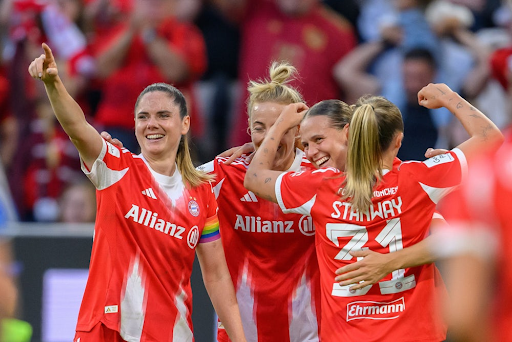
- However, popular teams like FC Bayern Women have shown potential, drawing a record 57.7K fans in September. And a recent report showed half of German soccer fans follow the women’s and men’s game, with 19M showing particular interest on the women’s side.
- This makes the latest news all the more confusing: One month after the DFB promised a $117M investment to develop the new league, clubs now want to form their own association, saying the DFB backtracked on agreed-upon deal points. Though clearly the German market is ripe for commercialization, it’s still bold to back away from institutional support.
The brand impact: It remains to be seen how this is going to go for the Frauen Bundesliga, which is a compelling force in the European soccer hierarchy. Still, this is a tough transition, one U.S. and UK leagues pulled off with an institutional assist — and it may put the league’s existing commercial partnerships up in the air.
- Google Pixel is the league’s naming rights sponsor through 2027, while UK–based sports streamer DAZN has exclusive rights to air in five key markets. But maybe clubs will be fine on their own: FC Bayern Women already worked out a deal with insurance giant Allianz and a development partnership with Liga MX Femenil. Auf geht’s!
Enjoying this article? Want more?

Sign up for The GIST and receive the latest women's sports business news straight to your inbox three times a week